Table Of Contents
Step-by-Step Installation Guide
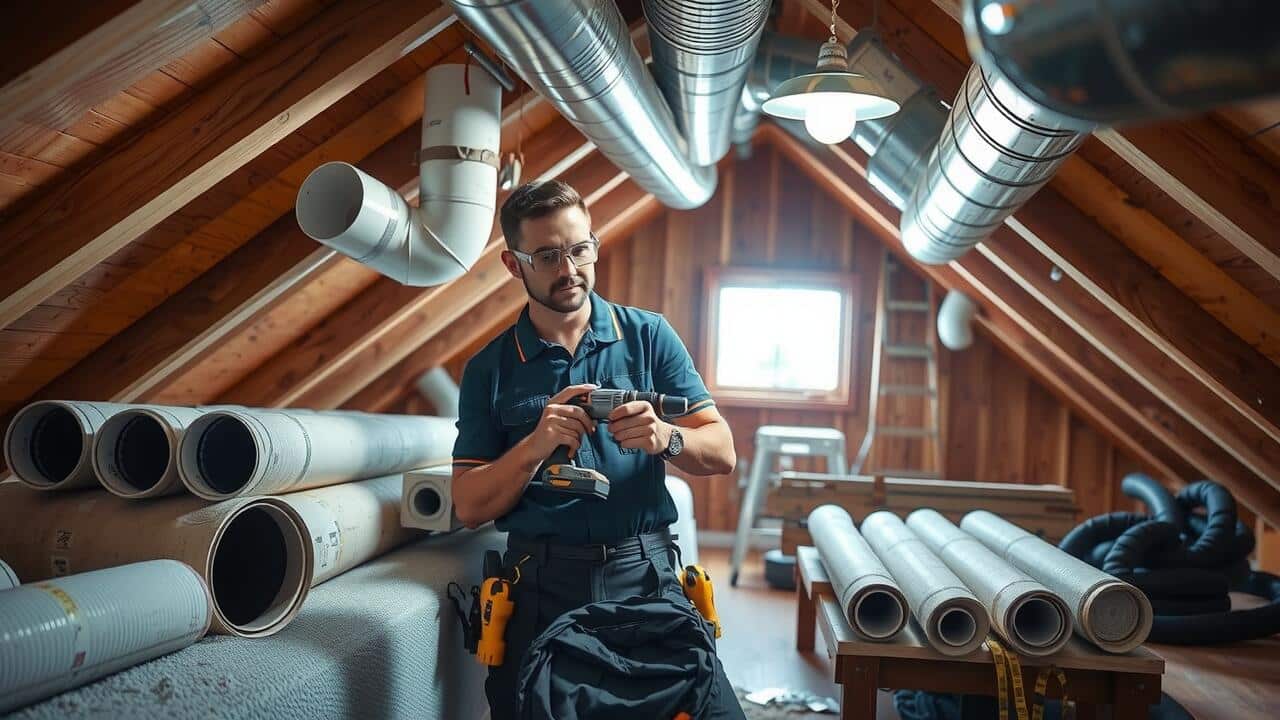
Air duct installation requires careful planning and precise measurements. Begin by determining the layout of your ductwork, considering the location of your HVAC system and the areas that need to be heated or cooled. Use graph paper to sketch the design, marking all vents and the main trunk line. Gather the necessary materials, such as ducting, connectors, and insulation. Ensure you have the right tools at hand, including a saw for cutting metal ducting, a drill, and tape for sealing joints.
Once the design is in place, start by installing the main trunk line and branching ducts. Secureducts with hangers to maintain an even alignment, ensuring they are not sagging or misaligned. After the ducting is in position, connect the vents, sealing all joints properly to prevent air leaks. Insulating the ducts can enhance energy efficiency. Finally, test the system for airflow and check for any unusual noises. This systematic approach can help achieve effective air duct installation while minimizing potential issues.
Key Phases of the Installation Process
The air duct installation process begins with careful planning and measurement. Start by assessing your space and determining the most efficient layout for the ductwork. Proper measuring ensures you cut your materials to the right lengths and angles. Mark the positions for the ducts, registers, and any necessary bends, which will contribute to the overall efficiency of your heating and cooling system. Having a clear plan in hand reduces the chances of error and can save time during installation.
Next, gather all required materials, including duct sections, connectors, and insulation. Begin the installation by securing the main trunk line, which serves as the backbone of your system. Attach duct sections firmly, ensuring there are no gaps that could lead to air leaks. Insulate the ductwork to prevent energy loss and maintain temperature. As you progress through the installation, periodically check the alignment and secure everything with appropriate fasteners. This attention to detail during the key phases of the air duct installation will lead to a more efficient and effective HVAC system.
Safety Precautions to Consider
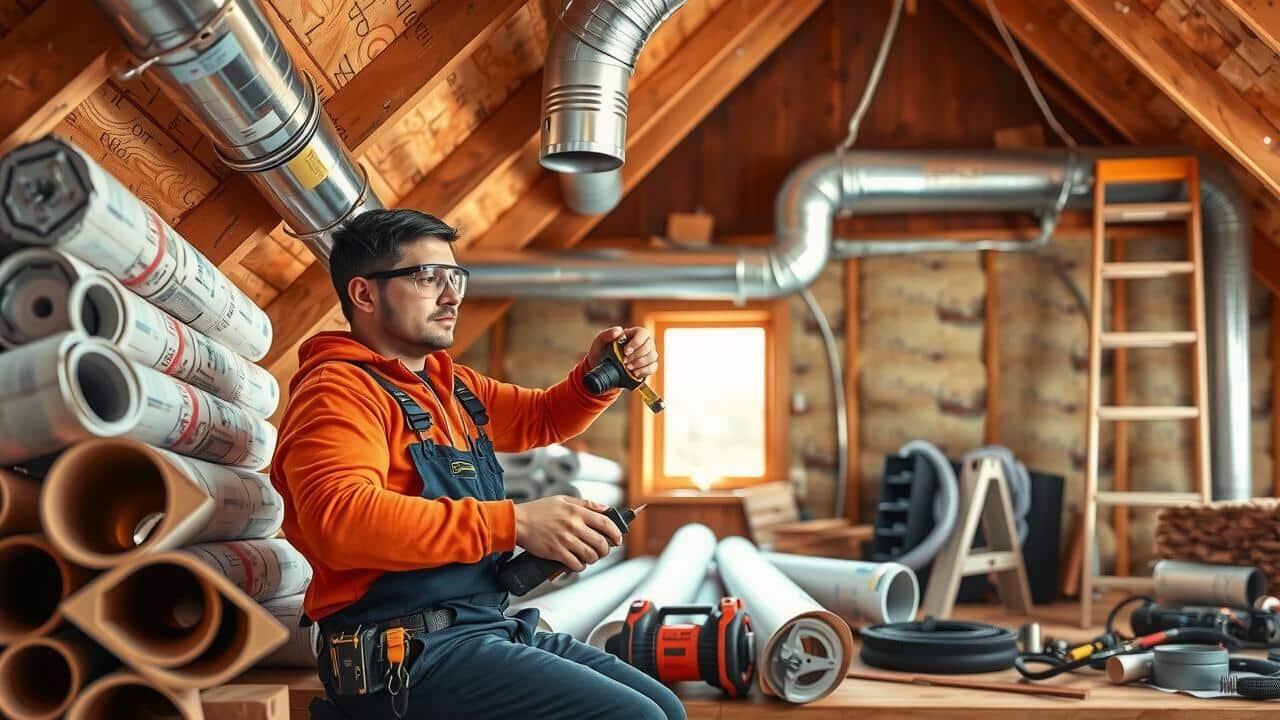
Air duct installation can be a rewarding project, but safety should always be the top priority. Start by wearing appropriate personal protective equipment. This can include safety goggles to protect your eyes from dust and debris, gloves to guard against sharp metal edges, and a dust mask to prevent inhalation of harmful particles. Ensure you have a well-ventilated space to work in, especially if you are using adhesives or other materials that may emit fumes.
Before beginning the installation process, familiarize yourself with the tools you will be using. Inspect each tool for damage or wear to avoid accidents during the project. Additionally, clear the work area of any unnecessary clutter, which can lead to trips and falls. Taking the time to set up a safe environment will not only protect you but also contribute to a smoother air duct installation experience.
Avoiding Common Hazards
When embarking on air duct installation, it is crucial to prioritize safety to prevent potential hazards. Ensure the workspace is clear of clutter to avoid trip hazards. Using proper tools and equipment will also minimize risks. Always wear personal protective equipment, such as gloves and safety glasses, to guard against sharp edges and debris during the installation process.
Electrical safety should also be at the forefront of your considerations. Before starting, turn off power to any nearby HVAC components to prevent accidental injury. Be cautious when working in confined spaces, as lack of ventilation can lead to dangerous situations. Keeping an eye out for existing insulation or old duct system materials will help avoid unwanted exposure to harmful substances.
Common Mistakes in DIY Ductwork
One of the most frequent mistakes in DIY ductwork is improper measurements. Accurate sizing of ducts is crucial for optimal airflow and efficiency. Miscalculating dimensions can lead to a host of issues, including inadequate heating or cooling in certain areas of your home. Homeowners may also overlook the need for proper duct bends and fittings, which can impede airflow if not installed correctly.
Another common error occurs during the sealing process. Many DIY enthusiasts either forget to seal connections entirely or use inappropriate materials for sealing. Air Duct Installation requires specific types of tape or mastic, which are designed to withstand temperature changes and maintain airtight connections. Failing to use the right materials can result in air leaks, reducing system efficiency and increasing energy costs.
Pitfalls to Watch Out For
When undertaking Air Duct Installation, one common pitfall is underestimating the importance of proper measurements. Inaccurate dimensions can lead to gaps, misalignment, and reduced efficiency in your heating and cooling system. It’s crucial to measure twice and cut once to avoid costly mistakes. Additionally, ignoring the requirements of local building codes can create significant problems. Without adhering to these regulations, you risk facing fines or needing to redo your work to ensure compliance.
Another mistake many DIY enthusiasts make is neglecting to consider the airflow dynamics within their systems. Poor duct design can restrict airflow, leading to uneven temperature distribution and increased energy costs. It’s essential to plan the layout carefully, ensuring that ducts are adequately sized and strategically positioned. Failing to use quality materials can also lead to long-term issues, including noise and leaks. Investing in the right supplies is key to achieving a successful Air Duct Installation.
FAQS
Is it possible to install my own ductwork?
Yes, you can install your own ductwork, but it requires careful planning, knowledge of HVAC systems, and adherence to local building codes.
What tools do I need to install ductwork?
Common tools needed for ductwork installation include tin snips, a drill, a measuring tape, a level, and duct tape. You may also need safety gear like gloves and goggles.
What are the main steps in the ductwork installation process?
The main steps include planning your duct layout, measuring and cutting the ducts, assembling the components, sealing the joints, and finally, testing the system for proper airflow.
What safety precautions should I take when installing ductwork?
Always wear protective gear, ensure proper ventilation, avoid sharp edges, and be cautious when working with power tools to prevent injuries.
What are some common mistakes to avoid during ductwork installation?
Common mistakes include improper sizing of ducts, failing to seal joints adequately, neglecting to follow local codes, and overlooking the importance of proper airflow and supports.