Table Of Contents
Preventing Bacteria Growth in Air Ducts
Bacteria thrive in warm, damp environments, making air ducts a potential breeding ground if not properly maintained. Regular cleaning is essential to remove dust, debris, and moisture that can encourage the growth of harmful microbes. Homeowners should consider scheduling professional services that specialize in air duct sanitizing. Searching for “Air Duct Sanitizing near me” can help locate qualified professionals who can effectively tackle this issue.
To further prevent bacteria from establishing a presence in your air ducts, maintaining optimal humidity levels within your home is crucial. Using humidifiers or dehumidifiers can help create a balanced atmosphere that discourages microbial growth. Regularly checking and replacing air filters also plays a significant role in maintaining clean ducts, as clogged filters can lead to reduced airflow and increased humidity levels.
Effective Maintenance Tips
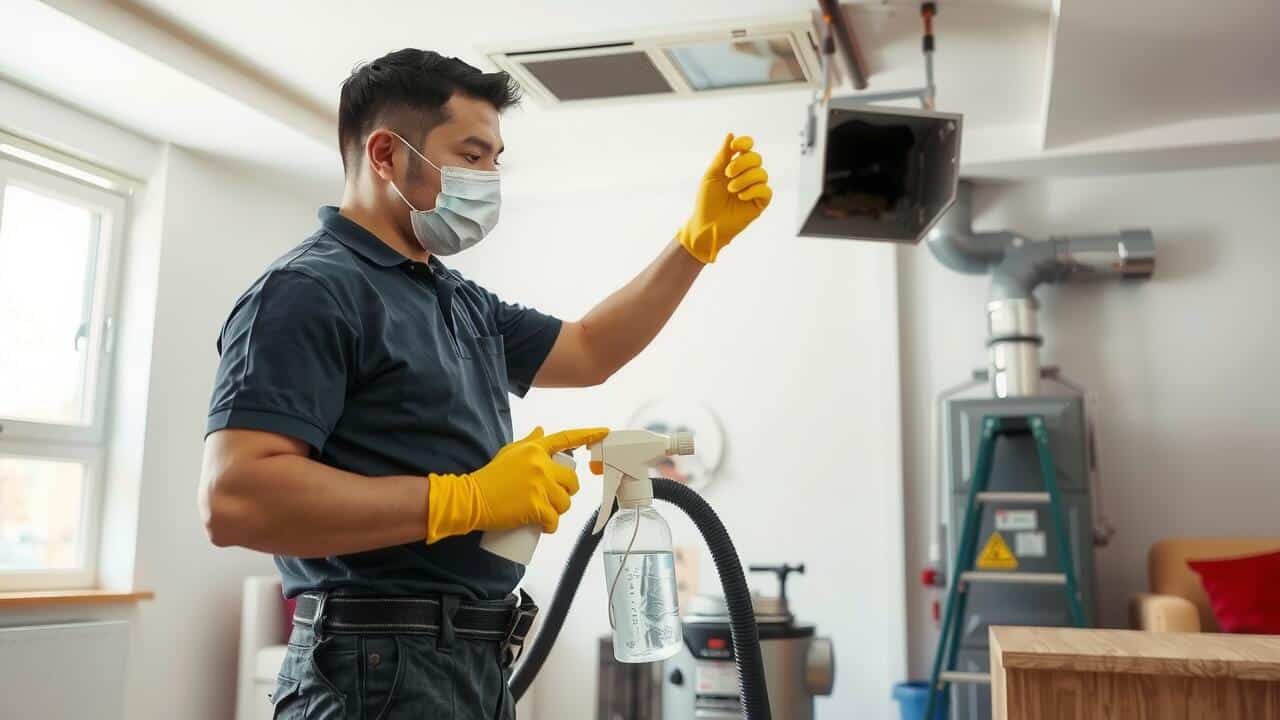
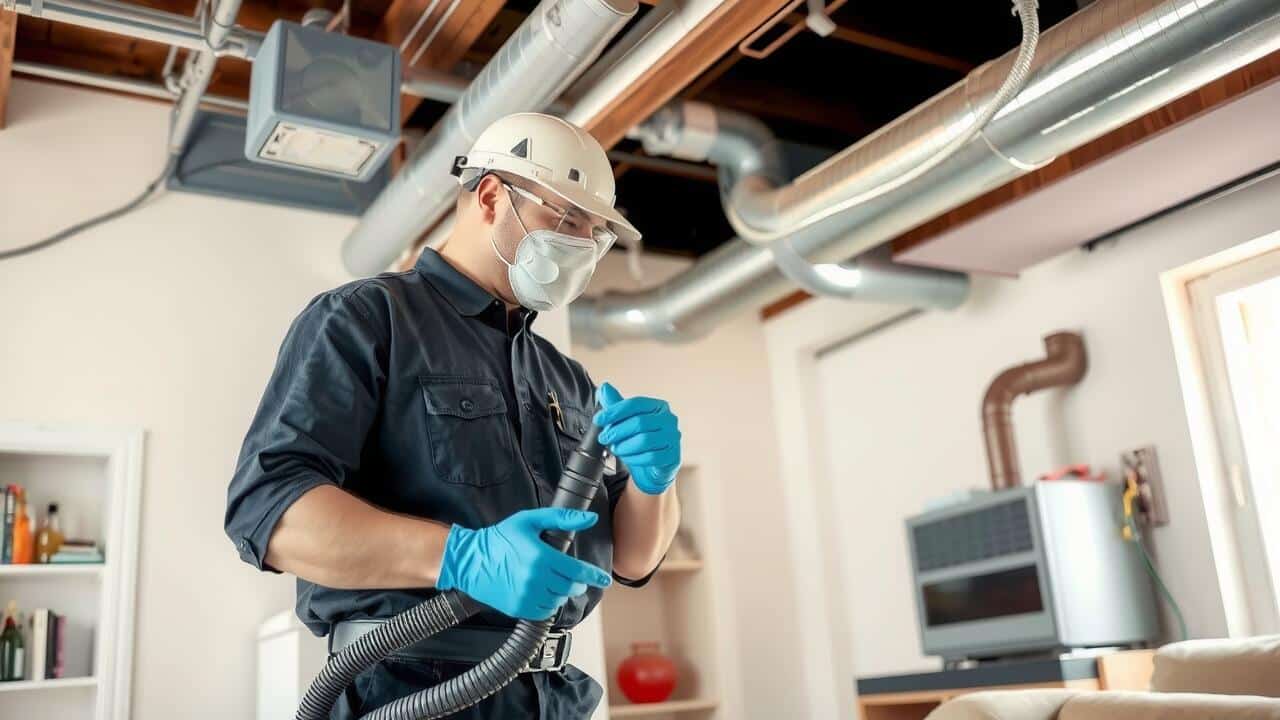
Regular cleaning of air ducts is crucial in maintaining healthy indoor air quality. Dust, debris, and other contaminants can accumulate in ducts over time, creating an ideal breeding ground for bacteria. Vacuuming the ducts and using specialized brushes can help remove buildup. It is also beneficial to inspect and clean the vents and registers to ensure there is no obstruction to airflow. For effective results, consider hiring professionals who offer services like “Air Duct Sanitizing near me” to thoroughly eliminate harmful microorganisms.
In addition to cleaning, monitoring humidity levels within your home can play a significant role in preventing bacteria growth. High humidity can encourage mold and bacteria proliferation. Using dehumidifiers in problem areas can help keep moisture levels in check. Changing your HVAC filters regularly also contributes to cleaner air, as most modern filters can trap airborne particles, including bacteria. Marking the filter replacement schedule on your calendar will assist in ensuring consistent maintenance.
Choosing the Right Air Filter
Selecting the appropriate air filter is crucial for minimizing bacterial growth in air ducts. Filters come in various types, each with different efficiencies against airborne microorganisms. HEPA filters are known for their superior filtration capabilities, often capturing up to 99.97% of particles as small as 0.3 microns. Regularly replacing or cleaning these filters enhances their effectiveness and ensures cleaner air circulating throughout your home.
In addition to choosing the right filter, consider the size and compatibility with your HVAC system. A filter that fits well will prevent unfiltered air from bypassing the filtration system. Residents seeking professional help may consider searching for “Air Duct Sanitizing near me” to find local services that can assist in selecting and installing efficient filters tailored to their needs. Regular maintenance, including the selection of high-quality filters, plays a vital role in sustaining a healthy indoor air environment.
Filter Types and Their Efficacy
When selecting the right air filter for your HVAC system, it is essential to understand the various types available and their efficacy in reducing bacteria and allergens. HEPA filters are widely recognized for their ability to capture even the smallest particles, including dust, pollen, and bacteria. These filters can remove up to 99.97% of particles that are 0.3 microns or larger, making them an excellent choice for those concerned about indoor air quality. MERV-rated filters also play a crucial role; the higher the MERV rating, the better the filter’s ability to trap particles. Choosing the right filter can significantly reduce the presence of harmful microorganisms in your air ducts.
Additionally, disposable filters offer convenience and affordability, but their effectiveness varies based on their design and ratings. Washable filters can be reused but may require more maintenance to ensure they remain effective over time. Regular filter replacement is essential, regardless of the type used, to maintain optimal airflow and efficiency in your system. For those looking into comprehensive solutions, searching for “Air Duct Sanitizing near me” can help locate professionals who specialize in cleaning and treating ducts to enhance air quality further. Proper filtration and regular maintenance work together to minimize airborne bacteria in your home.
Importance of Regular HVAC Maintenance
Regular HVAC maintenance plays a crucial role in maintaining indoor air quality. Dust, pollen, and other contaminants accumulate in air ducts over time. Without proper maintenance, these particulates can foster bacteria growth and diminish the efficiency of the entire heating and cooling system. Scheduling regular inspections can help identify potential issues early, ensuring that the system operates effectively and that the air remains clean and healthy.
Engaging professional services for routine maintenance is instrumental in achieving optimal performance for HVAC systems. Technicians can perform necessary cleaning and repairs that homeowners may overlook. If you’re concerned about bacteria levels in your air ducts, searching for “Air Duct Sanitizing near me” can connect you with local experts who can provide the specialized cleaning services needed to enhance your indoor environment.
Benefits of Scheduled Inspections
Scheduled inspections of your HVAC system play a crucial role in maintaining healthy indoor air quality. Regular check-ups allow professionals to identify potential issues before they escalate into major problems. This proactive approach can prevent the growth of bacteria and other contaminants in air ducts, ensuring cleaner air for your home or business. When searching for services, people often look for “Air Duct Sanitizing near me” to find local experts who can address these concerns effectively.
Furthermore, these inspections provide an opportunity to assess the efficiency of the entire HVAC system. By ensuring that all components are functioning properly, you can enhance energy efficiency and reduce utility costs. Regular maintenance can also extend the lifespan of your HVAC system, making it a worthwhile investment over time. Homeowners can take comfort in knowing that a small commitment to scheduled inspections can lead to significant benefits in air quality and system performance.
FAQS
How often should I have my air ducts cleaned to prevent bacteria growth?
It is generally recommended to have your air ducts cleaned every 3 to 5 years, but if you have pets, allergies, or live in a humid environment, more frequent cleaning may be beneficial.
What types of air filters are most effective at reducing bacteria?
HEPA filters are highly effective at capturing bacteria and other airborne particles. MERV-rated filters can also provide good filtration, but it’s important to choose a filter that is compatible with your HVAC system.
Can I clean my air ducts myself, or should I hire a professional?
While DIY methods can help with minor maintenance, it’s advisable to hire a professional for thorough cleaning and inspection, as they have the necessary tools and experience to effectively remove bacteria and debris.
What are some signs that I have bacteria in my air ducts?
Common signs include persistent musty odors, increased allergy symptoms, dust buildup around vents, and visible mold growth in or around the ducts.
Does regular HVAC maintenance really help in preventing bacteria growth in air ducts?
Yes, regular HVAC maintenance, including inspections and cleaning, can help identify and eliminate conditions that promote bacteria growth, ensuring better indoor air quality.