Table Of Contents
Impact on Indoor Air Quality
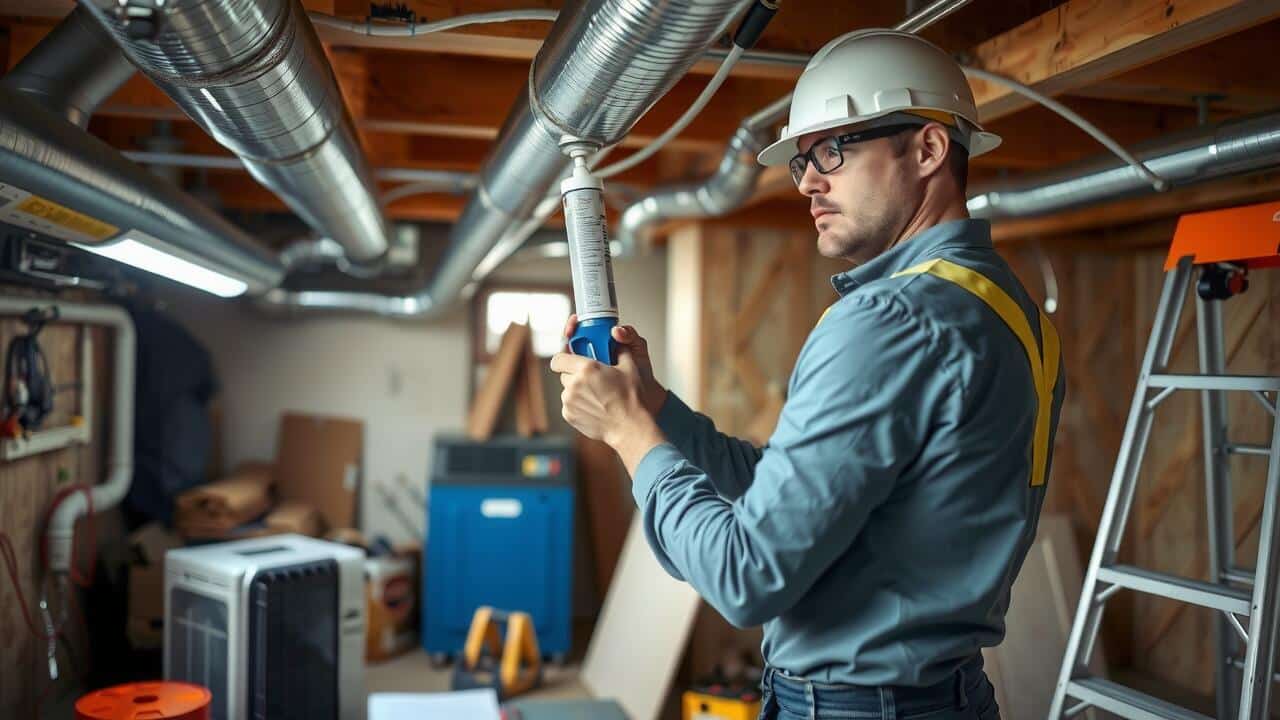
Air Duct Sealing in residential and commercial properties can significantly enhance indoor air quality. Leaky ducts often allow contaminants to enter the airflow, leading to higher levels of dust, allergens, and pollutants circulating throughout the space. By sealing these ducts properly, homeowners can help reduce the infiltration of unwanted particles, contributing to a healthier environment for occupants.
Proper air duct sealing also plays a crucial role in maintaining consistent indoor temperatures. Unsealed ducts can lead to energy loss, causing HVAC systems to work harder than necessary. This inefficiency not only impacts energy bills but can also result in fluctuating temperatures, which may create discomfort and exacerbate respiratory issues. Implementing Air Duct Sealing in your home can lead to both improved air quality and enhanced comfort levels.
Reducing Dust and Allergens
Air duct sealing in residential and commercial spaces plays a significant role in minimizing the presence of dust and allergens. When ducts are compromised, outside pollutants often enter, leading to poor indoor air quality. Sealing these ducts can help block pathways for these unwanted particles, which can contribute to respiratory issues or allergic reactions for occupants. By preventing the entry of dust and allergens, homes and businesses can become more comfortable environments, promoting overall health.
Additionally, sealed air ducts can improve energy efficiency, reducing the workload on heating and cooling systems. With fewer dust and allergen particles circulating through the air, maintenance of HVAC systems can become less frequent, extending their lifespan and ensuring they operate effectively. The combination of cleaner air and improved system performance makes air duct sealing in essential for maintaining a healthy living or working space.
Professional vs. DIY Sealing
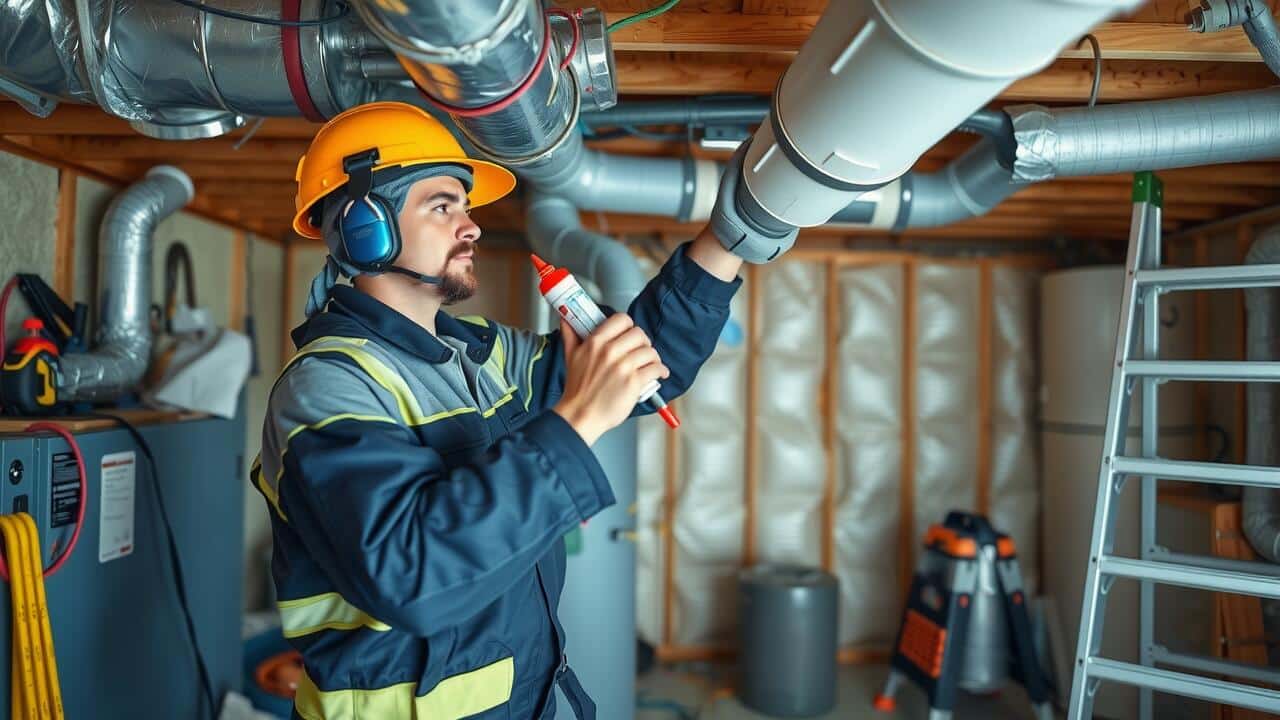
When considering air duct sealing in your home, homeowners often face the decision of whether to hire professionals or tackle the task themselves. Professional services typically use specialized equipment and techniques that ensure a more thorough sealing process. These experts can identify hidden leaks and assess the overall health of the ductwork. Their knowledge helps in achieving optimal efficiency and improved air quality.
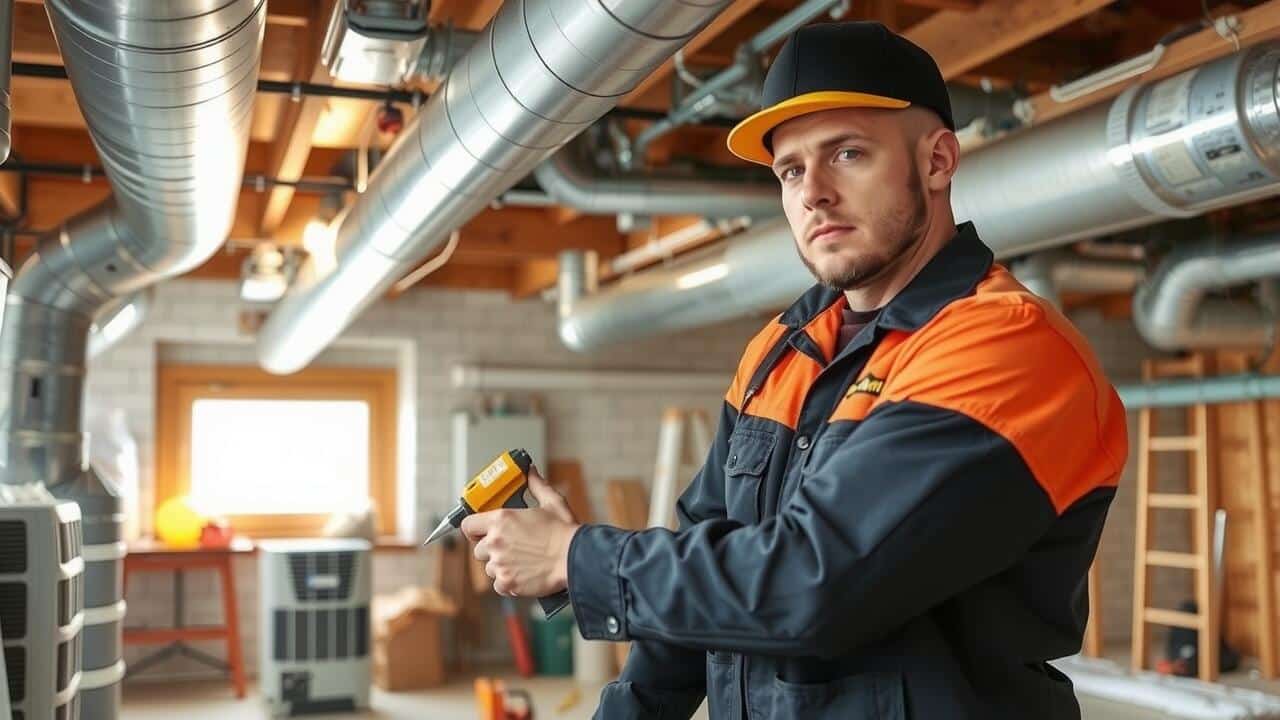
On the other hand, DIY air duct sealing in often appears to be a cost-effective option. Homeowners can purchase sealants and tools from local hardware stores and follow guides or videos online. While this approach can save on labor costs, it may lack the precision and thoroughness of professional work. Inexperienced individuals may overlook critical areas or use improper materials, which could lead to less effective sealing and potential long-term issues with the ventilation system.
When to Hire a Specialist
Determining when to hire a specialist for air duct sealing in your home can be crucial to ensuring efficient results. Many homeowners may feel confident in addressing minor issues themselves. However, if you notice significant air loss, persistent drafts, or increased dust accumulation, it is wise to consult with a professional. Experienced technicians possess the tools and expertise necessary to identify hidden leaks and ensure that all areas of your ductwork receive proper attention.
In some cases, specialized equipment may be required for air duct sealing in complex systems. Professionals can conduct thorough assessments to locate problem areas that are not easily visible. Additionally, they can apply high-quality sealants that last longer and perform better than standard DIY materials. Engaging an expert not only guarantees that your ducts are sealed correctly but also enhances the overall performance of your HVAC system.
Longevity of Sealed Ducts
The longevity of sealed air ducts largely depends on the materials used during the sealing process and the quality of the installation. High-quality sealants can provide long-lasting results, reducing the chances of future leaks and preserving the efficiency of the HVAC system. Over time, environmental factors such as temperature fluctuations and potential settling of the home may affect the integrity of the seals. Regular inspections can help monitor the condition of the ducts and ensure that they continue to function optimally.
Routine maintenance plays a vital role in determining how long the benefits of air duct sealing in a home will last. Homeowners should keep an eye out for changes in airflow, increased energy bills, or persistent dust accumulation, as these can indicate a failure in the sealing. While some sealants can last for decades, others may require reapplication or touch-ups over time. Engaging professional services for routine checks might prolong the effectiveness of sealed ducts, offering peace of mind for homeowners.
How Long Do Duct Seals Last?
The longevity of duct seals largely depends on the materials used and the conditions of your home. High-quality sealants can last anywhere from five to fifteen years, while lower-quality options may need more frequent repairs. Regular maintenance and inspections can help identify any weaknesses in the sealing before they lead to significant air leaks. For best results, professionals typically recommend using seals specifically designed for air duct sealing in residential and commercial buildings.
Environmental factors also influence how long duct seals remain effective. Variations in temperature, humidity, and air pressure can cause sealant to degrade faster in some areas. Homes located in regions with extreme weather might experience a decline in seal integrity sooner than those in moderate climates. Homeowners should keep an eye out for signs of wear and consider resealing ducts as necessary to maintain optimal air quality and energy efficiency.
FAQS
What are the benefits of sealing my air ducts?
Sealing your air ducts can improve indoor air quality, reduce dust and allergens, and enhance the efficiency of your heating and cooling systems, leading to potential cost savings on energy bills.
How can sealing ducts improve indoor air quality?
Sealing ducts helps prevent contaminants such as dust, allergens, and pollutants from entering the air inside your home, resulting in cleaner and healthier indoor air.
Should I seal my air ducts myself or hire a professional?
While DIY sealing is possible, hiring a professional is recommended for optimal results. Professionals have the tools and expertise to identify leaks and ensure proper sealing techniques are used.
How do I know when to hire a specialist for duct sealing?
Consider hiring a specialist if you notice significant dust accumulation, higher energy bills, or if your HVAC system isn’t performing efficiently. A professional can conduct a thorough inspection to assess the need for sealing.
How long do duct seals typically last?
The longevity of duct seals can vary based on the materials used and environmental factors, but properly sealed ducts can last anywhere from 10 to 20 years with regular maintenance.