Table Of Contents
Professional vs. DIY Duct Sealing
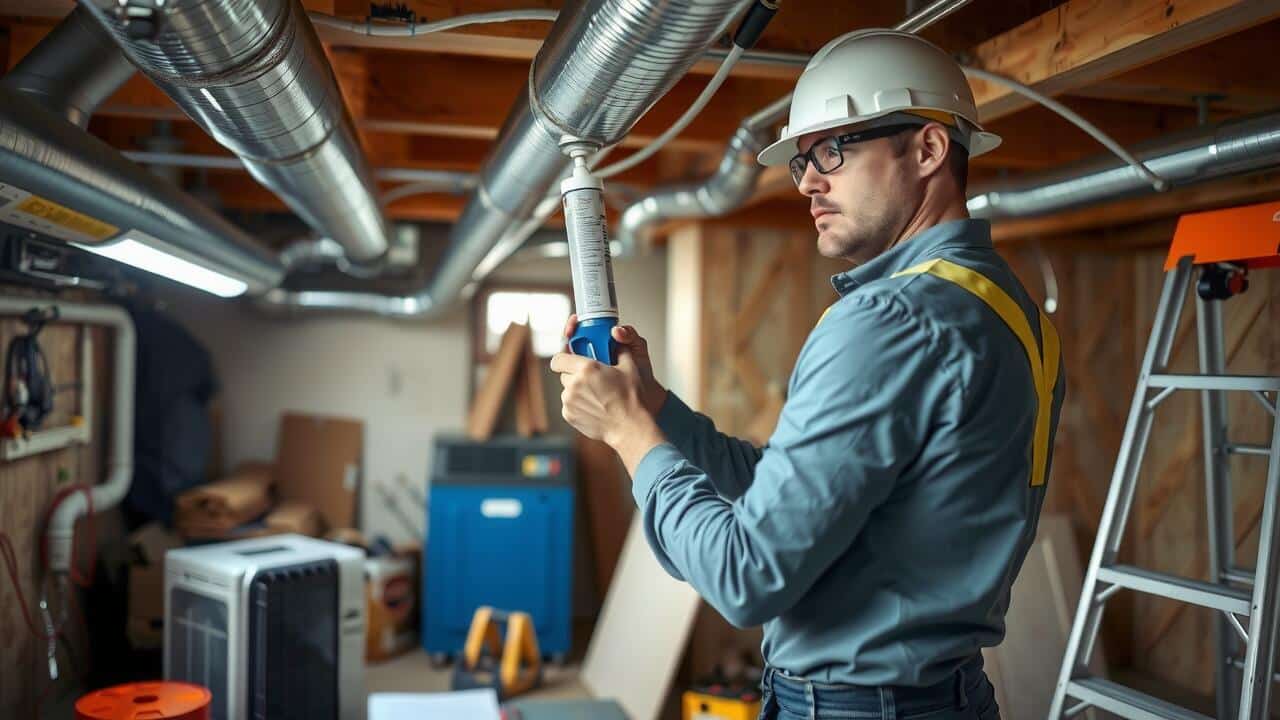
When considering air duct sealing, homeowners often face the decision between hiring professionals or attempting a do-it-yourself (DIY) approach. Professional services typically offer expertise gained from experience, ensuring that duct systems are sealed effectively. They utilize specialized tools and materials, providing a level of precision that may be difficult to achieve with casual methods. In cities like Houston, where climate can significantly affect energy costs, investing in professional air duct sealing may yield long-term savings.
On the other hand, DIY duct sealing can be a tempting option for those looking to save money. Many homeowners are capable of completing the necessary tasks with readily available materials like mastic sealant and duct tape. However, without the proper knowledge of ductwork and airflow dynamics, mistakes can occur, which may result in incomplete sealing and ongoing energy loss. Those attempting DIY methods should be cautious and informed to avoid the pitfalls that can occur when sealing air ducts without professional guidance.
When to Call in Expert Help
Some homeowners may underestimate the complexity of duct sealing, which can lead to ineffective results if not done properly. If your air ducts show significant wear, have extensive leaks, or if the layout is particularly complicated, calling in an expert is often the best choice. Professionals not only bring the right tools and techniques to the table but also possess the experience to identify issues that may be missed by an untrained eye. For those in the region, searching for “Air Duct Sealing Houston” can connect you with qualified specialists who can provide reliable service.
Additionally, if you’ve noticed fluctuations in your heating or cooling system’s performance, it may indicate issues with your ductwork. Professional assessment is essential in these cases as experts can diagnose underlying problems that contribute to inefficiencies. Ensuring that your home maintains optimal air quality and energy performance is crucial. An expert might also guide you on preventative measures and maintenance strategies to prolong the lifespan of sealed ducts effectively.
Maintenance Tips for Sealed Air Ducts
Regular maintenance is crucial for ensuring the effectiveness of sealed air ducts. One important step is to schedule routine inspections to check for any potential leaks or damages. Keeping an eye on the insulation surrounding the ducts can prevent heat loss or gain, which affects the overall efficiency of your HVAC system. Avoiding extreme temperature changes can also help maintain the integrity of the sealing materials used.
In addition to inspections, it’s beneficial to clean the ducts periodically. Removing dust and debris builds up over time and can obstruct airflow, counteracting the benefits of the sealing. Homeowners in the Air Duct Sealing Addicks, Houston area should also consider using high-quality filters for their HVAC systems to enhance air quality and reduce strain on the ducts. These steps contribute to maintaining good air flow and preserving the effectiveness of the sealing.
Ensuring Longevity of Sealed Ducts
Proper maintenance of sealed air ducts can significantly extend their lifespan. Regular inspections help identify any wear and tear that may compromise the seals. Scheduling these assessments ensures any potential issues are addressed promptly before they escalate. Keeping ducts clean also plays a vital role in maintaining their efficiency. This reduces the risks of dust and debris accumulating, which can strain the system.
Investing in quality materials for sealing can further enhance durability. When using products designed for duct sealing, such as specialized tapes or mastic, homeowners can improve the overall integrity of the system. In areas like Air Duct Sealing Addicks, Houston, where temperature fluctuations can be extreme, ensuring that seals remain intact is crucial. A proactive approach not only keeps the air quality within homes optimal but may also lead to lower energy bills over time.
Impact of Poorly Sealed Ducts on Energy Efficiency
Poorly sealed air ducts can lead to a significant decrease in energy efficiency within a home or building. When air escapes through leaks, the heating and cooling systems must work harder to maintain the desired temperature. This struggle translates to increased energy consumption and subsequently higher utility bills. In many cases, homeowners may remain unaware of how much this inefficiency is impacting their costs.
Investing in professional air duct sealing can mitigate these problems. For residents in areas such as Houston, addressing duct sealing issues promptly can yield substantial savings. Ensuring that ducts are properly sealed not only optimizes system performance but also enhances indoor air quality by reducing contaminants. Solutions like “Air Duct Sealing Houston” services can provide much-needed expertise in diagnosing and fixing these inefficiencies.
How Sealing Affects Heating and Cooling Bills
Properly sealed air ducts can lead to significant savings on heating and cooling bills. Leaks in ductwork allow conditioned air to escape, forcing HVAC systems to work harder to maintain desired indoor temperatures. This added strain results in higher energy consumption and inflated utility costs. By addressing these leaks through effective sealing techniques, homeowners can greatly enhance energy efficiency and lower monthly expenses.
In areas like Air Duct Sealing Addicks, Houston, where temperature fluctuations can be extreme, the impact of sealing becomes even more pronounced. Efficient air distribution ensures that every room receives the right amount of airflow, eliminating hot or cold spots. As a result, the operation of heating and cooling systems can stabilize, leading to further energy savings and prolonged equipment lifespan.
FAQS
What materials are best for sealing air ducts?
The best materials for sealing air ducts include mastic sealant, foil tape, and butyl tape. Mastic is often recommended for its durability, while foil tape is useful for quick fixes and is resistant to moisture.
How can I tell if my air ducts need sealing?
Signs that your air ducts may need sealing include increased energy bills, inconsistent heating or cooling between rooms, visible gaps or holes in the ductwork, and excessive dust buildup around vents.
Is DIY duct sealing effective?
DIY duct sealing can be effective if done correctly, but it may not provide the same quality of seal as a professional job. It’s important to use the right materials and techniques for a successful seal.
How often should I check my air ducts for sealing issues?
It’s a good idea to check your air ducts at least once a year for sealing issues, especially before the heating or cooling season, to ensure optimal performance and efficiency.
Can sealing air ducts really lower my energy bills?
Yes, sealing air ducts can significantly lower energy bills by preventing conditioned air from escaping and reducing the workload on your HVAC system, leading to improved energy efficiency.